How a joint venture works.
The detail behind a Kaizen joint venture: who contributes what, the steps, and the questions to settle before you decide.
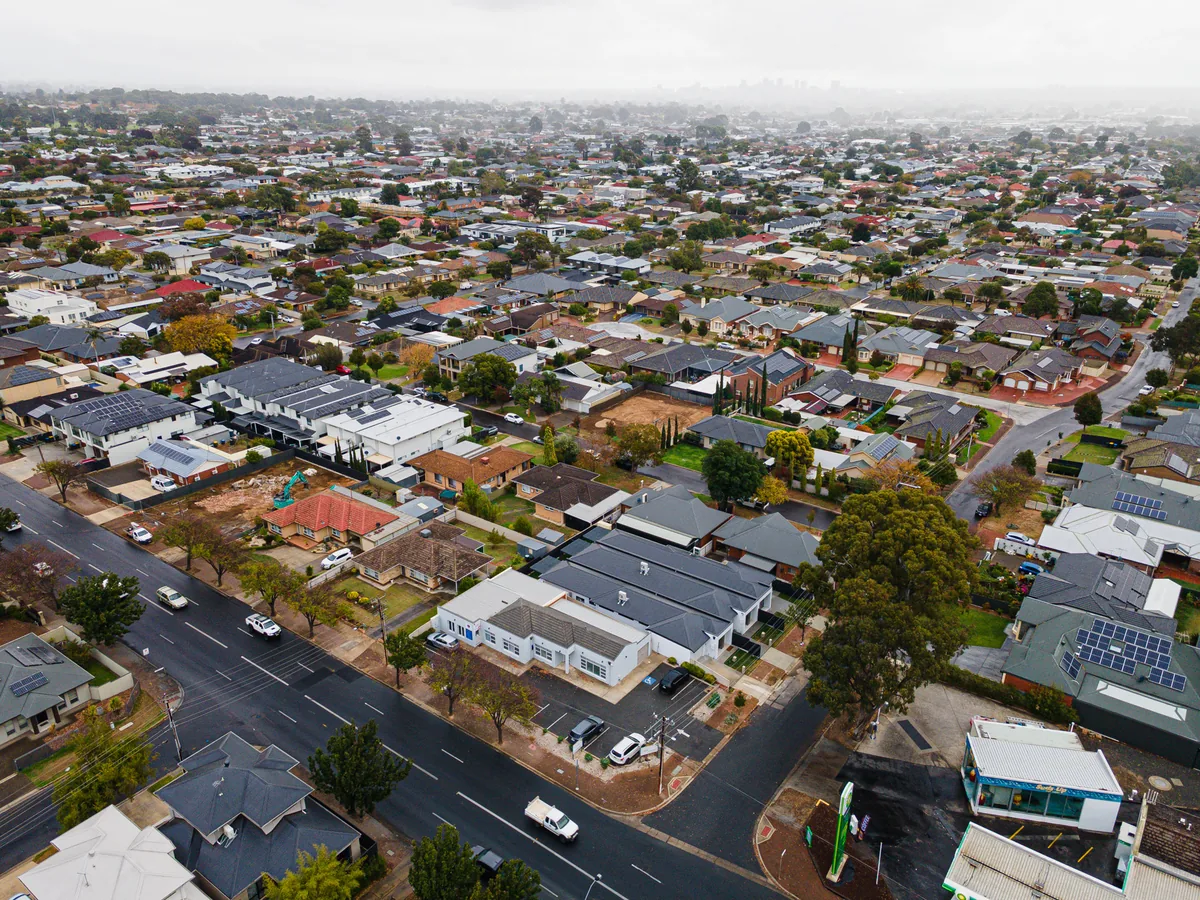 YouYour contribution: the land
The contribution and ownership arrangements are defined before proceeding.
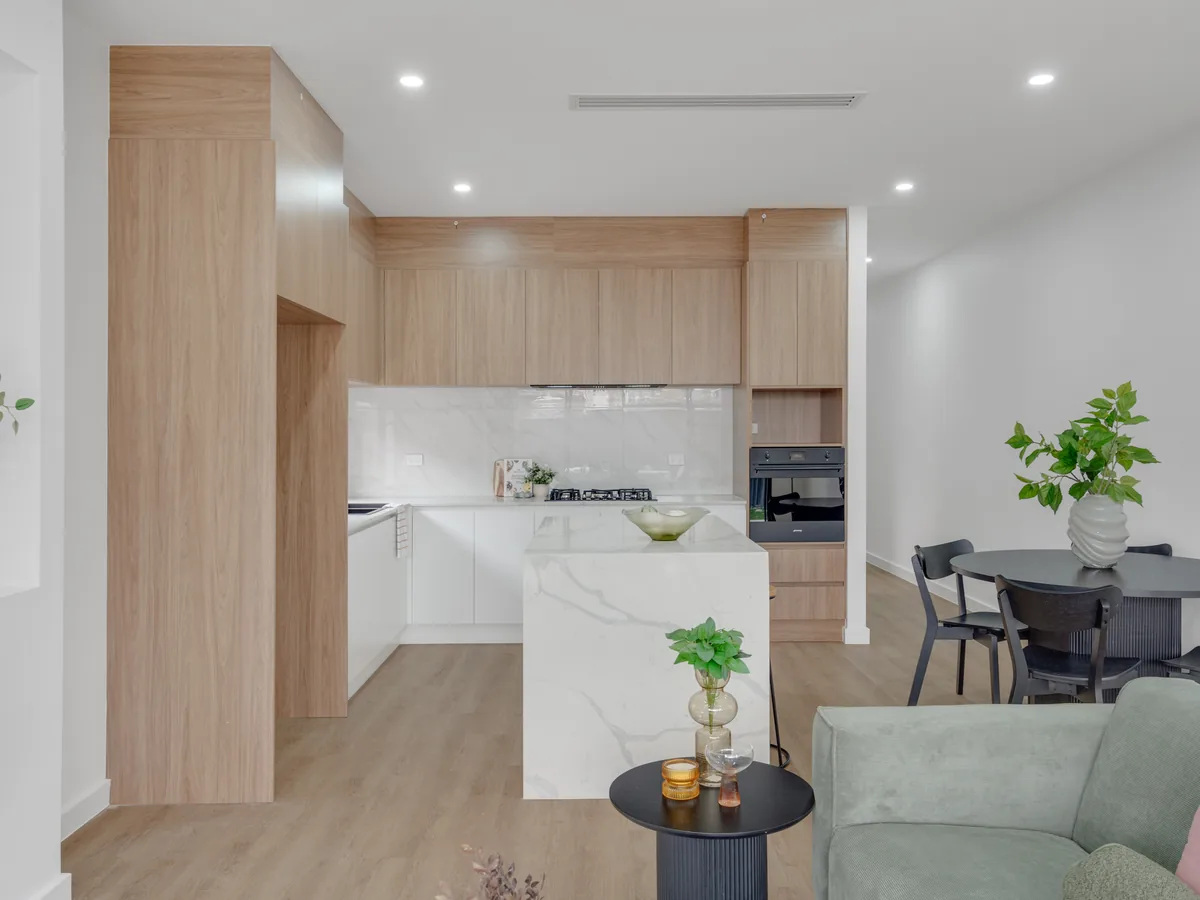 KaizenKaizen’s contribution: coordinate the project
Manage the agreed work across feasibility, design, approvals, construction and sales.
 TogetherThe agreed outcome
Costs, responsibilities and distributions follow the joint venture agreement.
- Talk it through
Confidential, no obligation.
- See the numbers
The plan, the costs and the split.
- Review the agreement with your own lawyer
Obtain independent advice before deciding whether to proceed.
- Develop, report, share
A report at each stage; the result shared as agreed.
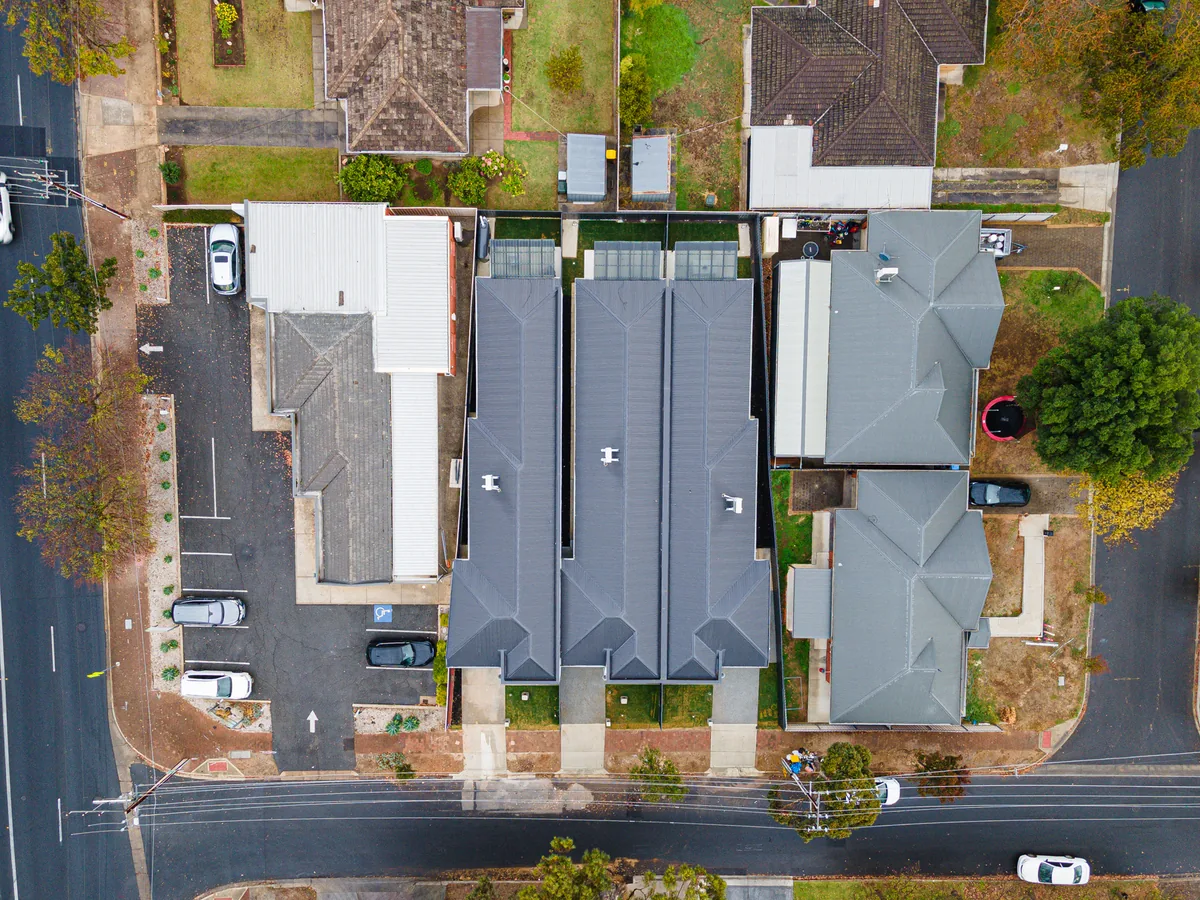
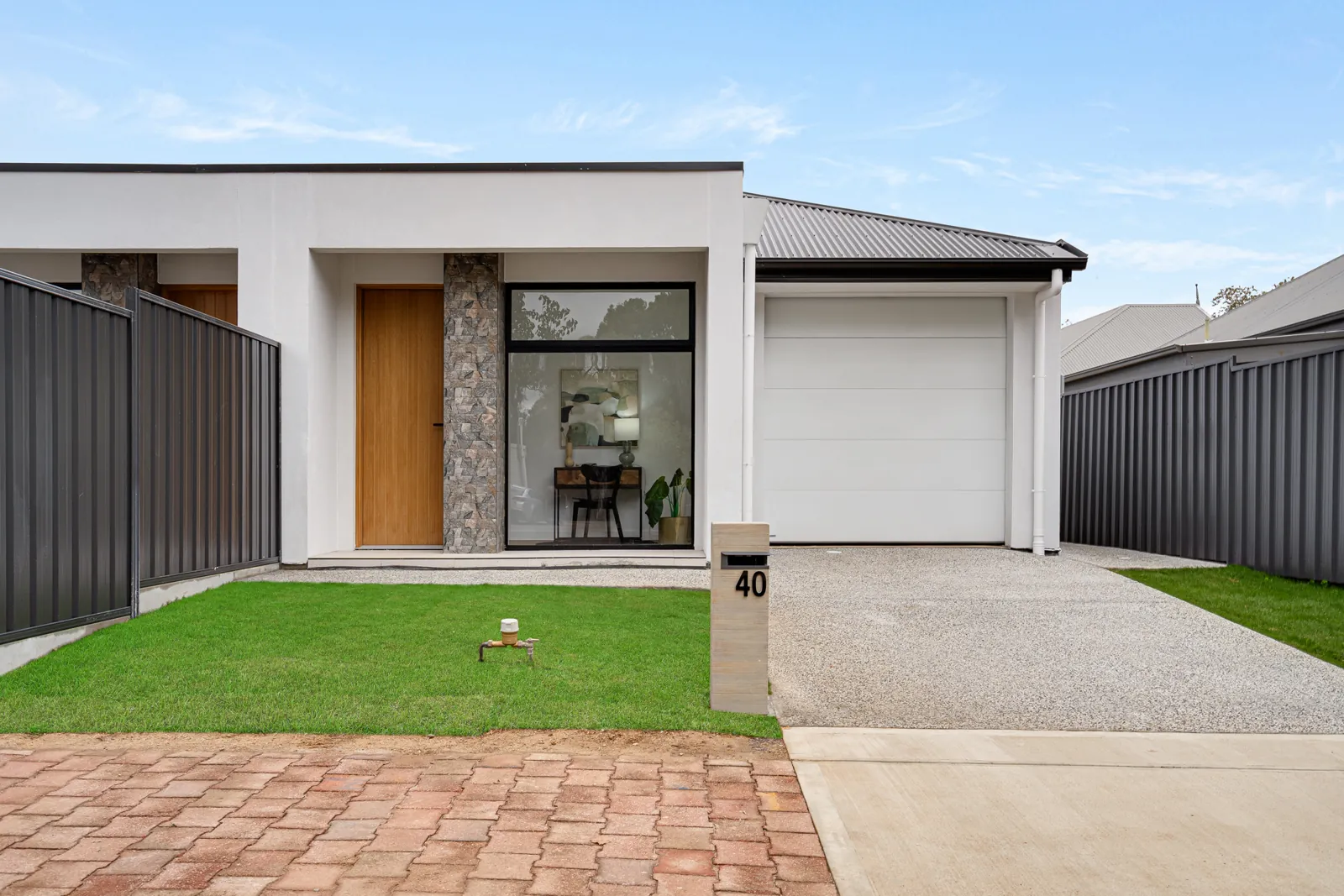
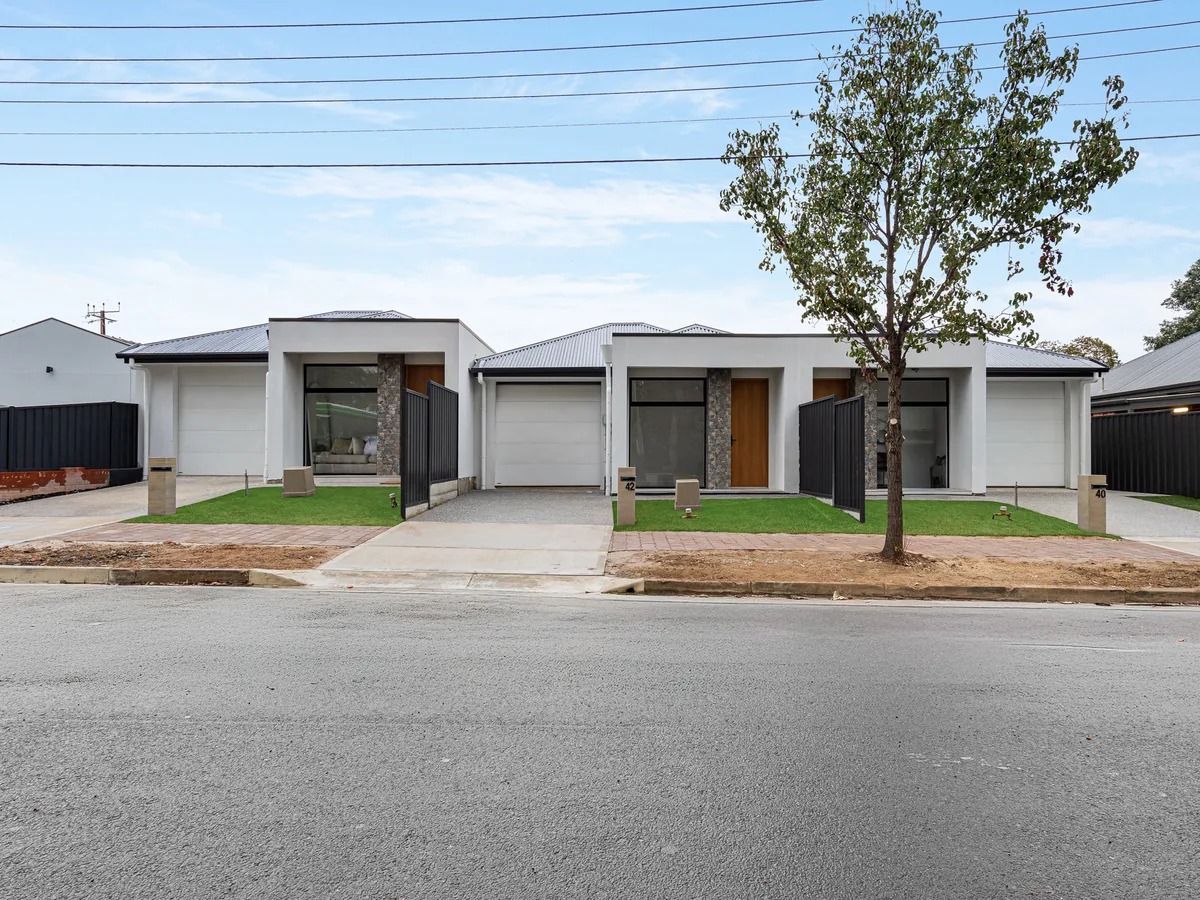
Watson Street, Hectorville: a completed Kaizen project. See the project
Who contributes, coordinates and decides?
A typical arrangement. Your agreement defines the actual arrangement.
- Provide the land
- You
- Feasibility, design and the council application
- Kaizen coordinates, with consultants
- Key decisions at the agreed stages
- You approve
- Building the homes
- A licensed builder, managed by Kaizen
- Funding the project
- As set out in the agreement
- Selling the homes
- Kaizen coordinates, with agents
- Legal, tax and financial advice
- Your own advisers
Questions to settle before you decide
The result is not fixed. Costs can rise, sales can fall and projects can be delayed.
Your land
What is a joint venture with my land?
You and Kaizen develop your property together. You put in the land, we run the project, and the result is shared as agreed in writing.
What is expected of you?
Keep the land available for the project, make decisions at the agreed stages, and get your own legal, tax and financial advice.
Can you leave early?
Only as the agreement allows. Go through the exit terms with your lawyer before you sign.
Money and risk
Who pays for the building?
Building is usually funded by a construction loan and by Kaizen. Your agreement sets out who provides each part of the money, and whether your land is used as security for a loan.
What if it takes longer?
Council approvals, weather and builders can cause delays. The agreement sets out what happens if the project runs late, and how often you hear from us.
What if costs go up?
Building costs can rise. The agreement says who covers any overrun, and the allowance set aside for surprises (the contingency).
What if the homes sell for less?
Your share depends on the final sale prices. If prices fall, the result is lower. A joint venture carries more risk than a straight sale.
How is the result worked out?
Usually: the total from selling the homes, less the project costs (design, approvals, building, finance and selling), then shared in the proportions written in the agreement. The value given to your land is agreed at the start. Ask us to walk you through an example.
Roles
Do I need building experience?
No. We handle the design, council approvals, builders and sales. You get regular updates and approve the key decisions.
How is it set out?
In a formal joint venture agreement. Each side has its own independent lawyer, and it is signed before any work starts.
Alternatives
Can you just manage the project for me?
Yes. If you would rather keep full ownership, we can manage the development for you for a fee. Ask us how that would work for your land.